Regional Workshop of the Association of Science Editors and Publishers (ASEP)
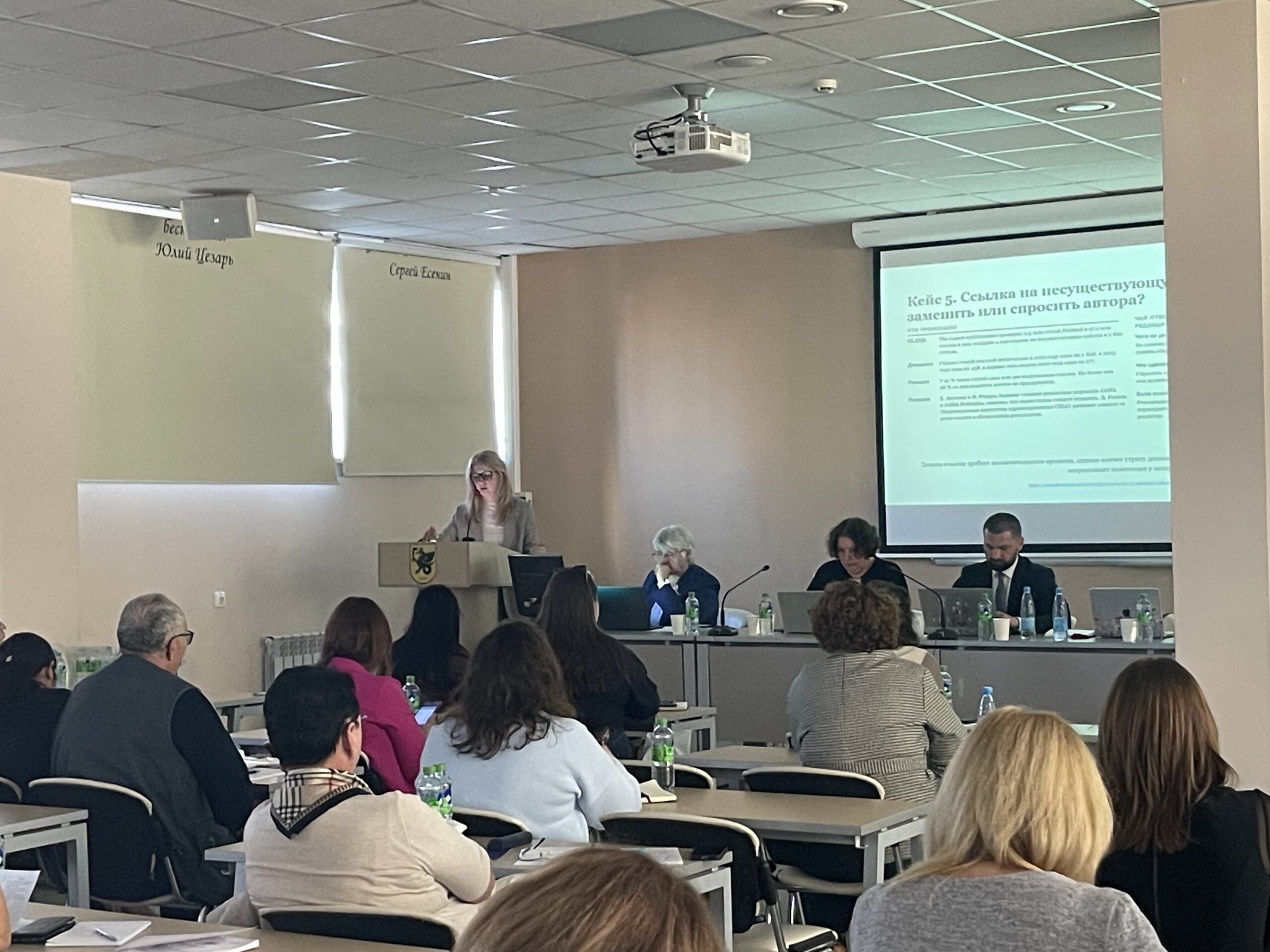
From October 27 to 30, 2026, Kazan Federal University held a regional workshop “Scientific Journal: From Diagnosis to Development Plan” organized by the Association of Science Editors and Publishers (ASEP). The responsible editor of journal “Mineralogiya” (“Mineralogy”) Irina Melekestseva participated in the event.
The workshop was led by prominent specialists and experts from the ASEP: O. V. Kirillova (President of ASEP, Scopus expert, Head of Center of Scholarly Periodicals in the National University of Science and Technology MISIS and Editor-in-Chief of journal “Science Editor and Publisher”, Moscow), E. V. Tikhonova (ASEP, RUDN University, MGIMO University, Director of Scientometrics and Publishing Activity Centre in Russian Biotechnological University and Deputy Editor-in-Chief of journals “Science Editor and Publisher” and “Journal of Language and Education”, Moscow), M. A. Kosycheva (ASEP, HSE University, Russian Biotechnological University, Executive Secretary of journal “Science Editor and Publisher”); M. V. Dem’yanets (ASEP, Moscow); N. G. Popova (ASEP, Scopus, DOAJ, Institute of Philosophy and Law UB RAS, Deputy Editor-in-Chief of journal “Changing Societies & Personalities”, Yekaterinburg); and N. B. Moroz (Head of the Department of Promoting Scientific Activity of the Marine Geophysical Institute RAS, Sevastopol).
The workshop addressed the following key issues concerning the development of scientific journals:
– why rigor meeting formal criteria does not make a journal strong and what signs indicate the absence of a genuine strategy;
– how a haphazard collection of articles undermines a journal’s scientific profile, readership, and reputation and how to define a clear profile and stop publishing unrelated content;
– where an author’s responsibility ends and the responsibilities of reviewers and the editorial team begin.
– which documents editorial offices most frequently lack and how to ensure the editorial and publishing cycle is legally sound;
– why metadata often fails to work properly and how to transform them into an effective “calling card” for an article;
– how a regional journal can carve out a distinct scholarly niche avoiding the trap of imitating the central or international journals and how to determine, which information resources and levels of recognition a journal is truly prepared for.
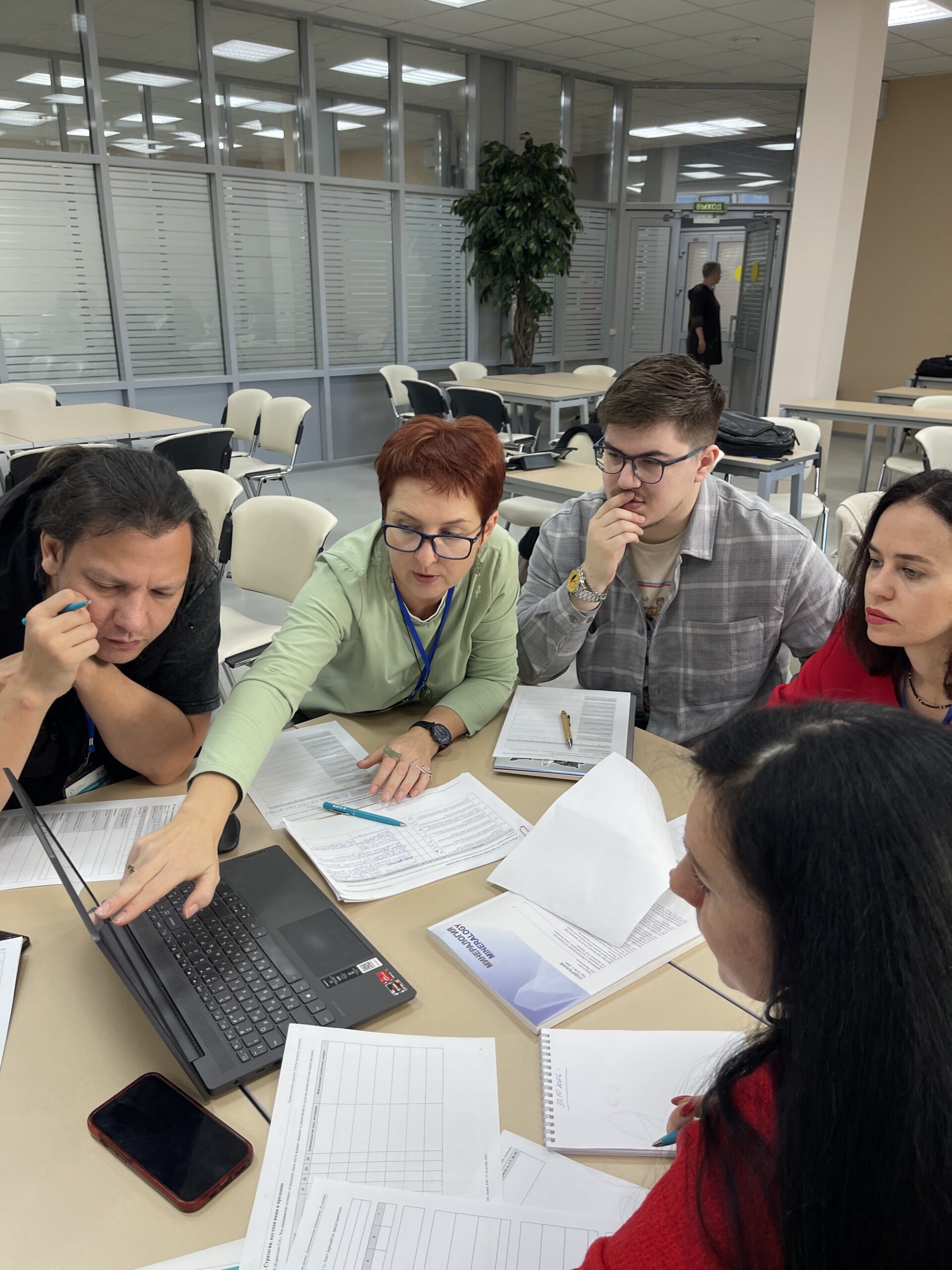
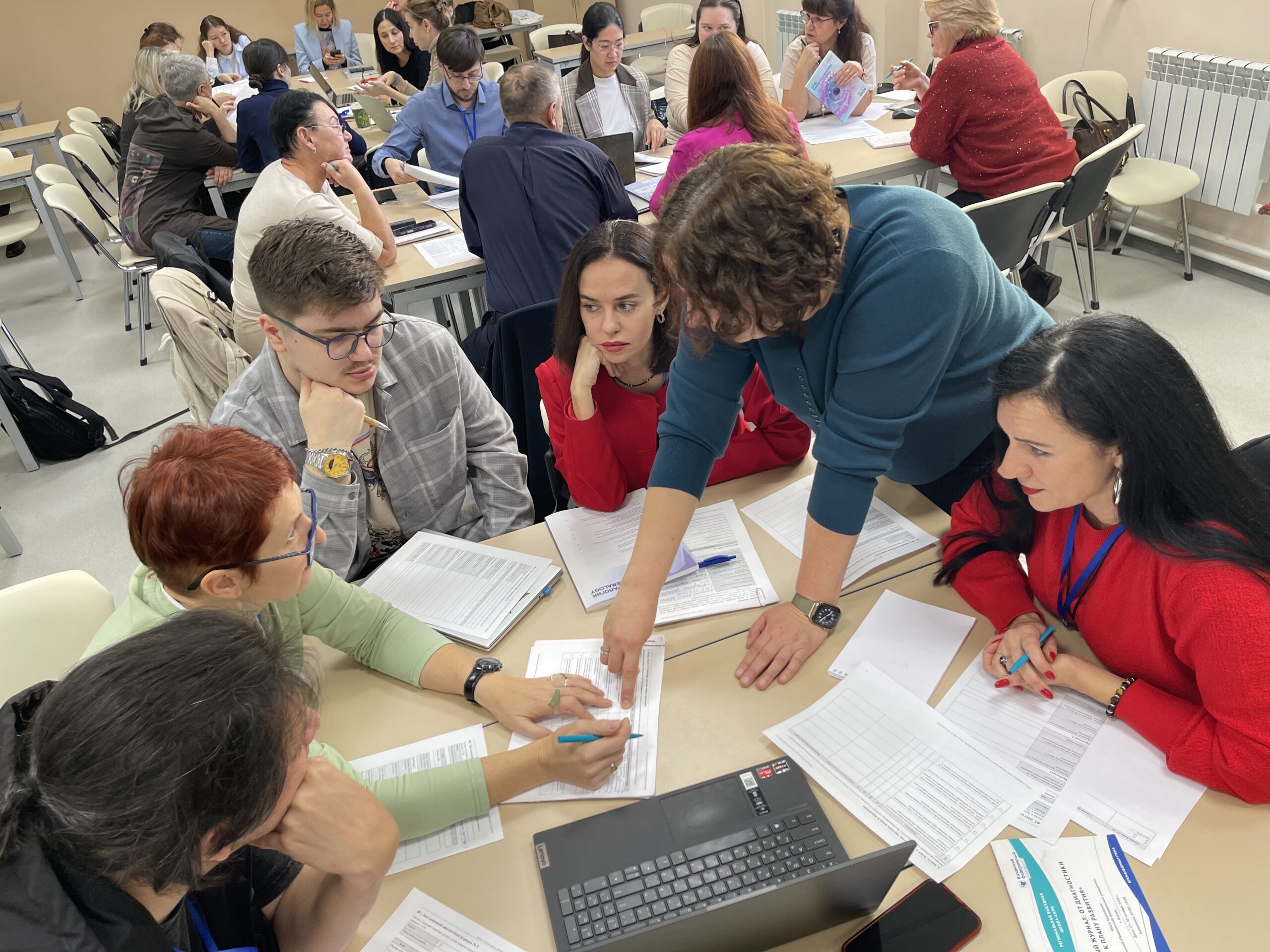
Specific sessions were dedicated to challenges related to translation, editing, and proofreading. The final day of the workshop was structured as a “diagnostic laboratory” featuring evidence-based group discussions and expert-led stations. During these group sessions, participants examined the profiles of other journals, completed self-assessment forms, identified the strengths and weaknesses of various publications, and developed strategies to address specific issues. The ASEP experts provided guidance and answered participants’ questions throughout these “diagnostic” group sessions.
The editorial team of the journal “Mineralogiya” (“Mineralogy”) is deeply grateful to the organizers for fostering such an intense, creative atmosphere and for their invaluable mentorship.
 |  |